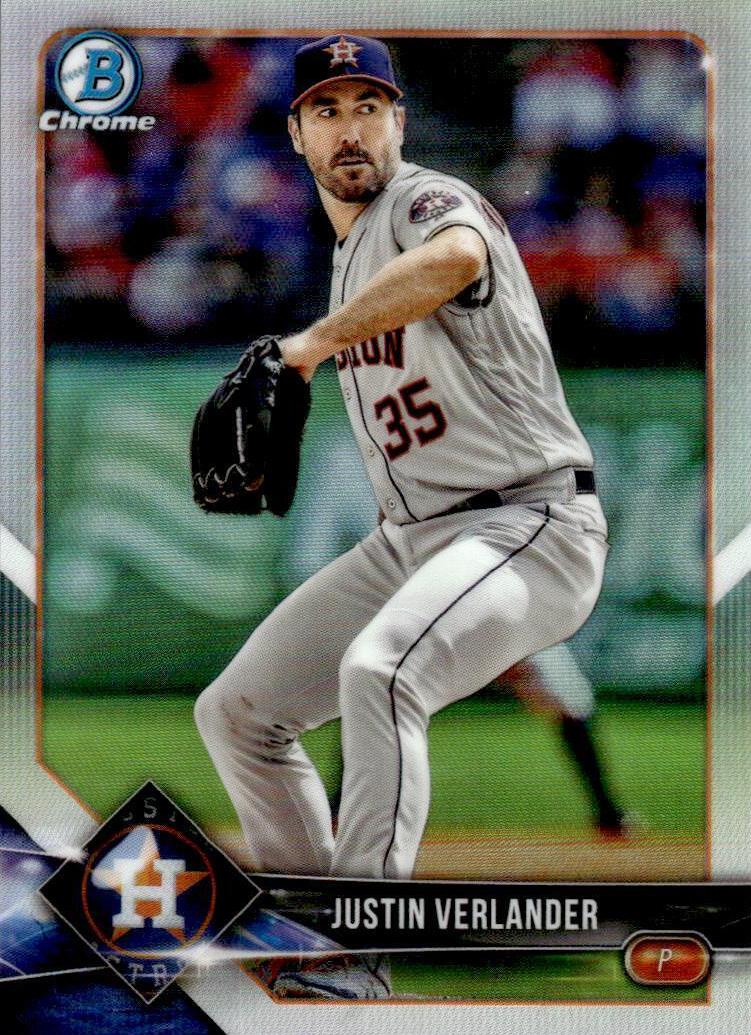
Justin Verlander Retirement: Which Baseball Cards Are Already Priced for the Hall and Which Still Have Room
Retirement created two simultaneous markets for Verlander trading cards. One is already priced for Cooperstown. The other is quietly repricing down: and that is the window.
Eduardo Valencia's walk-off home run lands in the seats in Houston on September 26, and Justin Verlander is done. Not traded, not on a rehab assignment — done. The card market now has to answer a question it has been avoiding for two seasons: which Verlander baseball cards were priced for what he might still do, and which were priced for what he already did?
Those are not the same question, and they do not have the same answer. Retirement does not create one pricing event. It creates two simultaneous and opposite ones, and the collector who treats them as the same thing will overpay for one tier and miss the window on the other entirely.
The Cards That Already Know He Is Going to Cooperstown
The Bowman Chrome rookie cards, the certified autos from his Tigers years, the key early-career issues that every essential-Verlander list has named for the better part of a decade. Those cards have been running the HOF thesis for years. The buyers who own them are not reacting to September 26. They positioned on HOF logic long before Verlander threw his last pitch, and the prices on those cards reflect that. Paying a premium on them now means buying a thesis the market already executed.
Sports Collectors Daily published its Collector's Dozen of 12 essential Verlander trading cards the morning after the retirement, and the list is a useful map of exactly this tier. Whatever is on it that you already know, the cards that show up in every 'Verlander collection' conversation, those are the ones where the HOF premium is baked in. The market did not wait for retirement to price them for a plaque.
The Cards That Were Still Pricing Him as an Active Pitcher
The second tier is more interesting right now. Mid-tier parallels, relic cards, and lesser-known early-career issues were not being held on HOF logic. They were being held on active-player commodity logic: another start, another season, another reason to hold. The buyers in those positions are now sellers, and the replacement buyers: the legacy collector, the finished-set accumulator who thinks in terms of a completed career rather than a current one: have not arrived in force yet.
That gap between the exiting sellers and the arriving buyers is the window. It is narrow, and it closes the moment the HOF conversation becomes consensus rather than thesis. Two to four weeks is a reasonable estimate of how long it stays open, but the honest answer is that it closes when it closes, and you will not see it closing in real time.
The relic market is worth particular attention here. Game-used cards were priced in part on the idea that Verlander was still producing seasons worth commemorating. That logic is gone. Sellers who bought on that premise are not automatically converting to HOF buyers. They are often just sellers now, and the ask prices on that tier will reflect it before the bid prices catch up.
The buyers in mid-tier Verlander positions were holding on active-player logic. The replacement buyers, the legacy collector, the finished-set accumulator, have not arrived yet. That gap is the window.
Why the HOF Clock Matters More Than the Retirement Itself
Verlander becomes HOF eligible five years after his final season, which puts the earliest possible induction vote in 2031. The market historically compresses its HOF premium into the six to twelve months around the actual vote, not the retirement announcement. That is the pattern worth understanding before you act on retirement-day pricing.
A collector buying the flagship Verlander baseball cards today on HOF logic is carrying a five-year hold before the thesis fully pays. That is not necessarily wrong, plenty of collectors are comfortable with that timeline, but it is the actual trade, and it should be understood as such. The retirement announcement is not the moment the HOF premium gets realized. The ballot cycle is.
Which means the collectors with the cleanest trade right now are not the ones buying the obvious keys. They are the ones watching the mid-tier market reprice down over the next few weeks, picking up positions that were held on active-player logic at active-player-exit prices, and then holding until the ballot cycle begins. That is a longer hold than two to four weeks, but the entry point is better than anything available on the flagship tier today.
What to Actually Watch
The mid-tier Verlander trading card market over the next two to four weeks is where the action is. Sellers who were holding on active-player logic are looking for exits, and they are not all going to find patient buyers. Parallels numbered high enough to have been liquid during his active career but not rare enough to carry HOF scarcity are the specific tier to track. So are the relic cards, and the early-career non-rookie issues that never made the essential-cards lists but were held because he was still pitching.
The flagship rookie autos and Chrome keys are already priced for Cooperstown. Buying them now is buying a thesis that ran years ago, and waiting for the ballot cycle to approach before adding to that tier is a more defensible position than chasing them on retirement-week sentiment. The value, if it exists in the Verlander market right now, is in the cards the market forgot to reprice upward: not the ones it already did.
Follow the hobby in the app
Track the products and players you collect and get told the moment anything moves.
Get the Collector Nation App