
The Most Valuable Baseball Cards
Baseball owns the deepest part of the hobby: a $12.6 million Mickey Mantle, two pre-war grails past $7 million, and a modern MVP logoman that shows where the ceiling is heading. Here is CN’s ranking, built from real auction records.
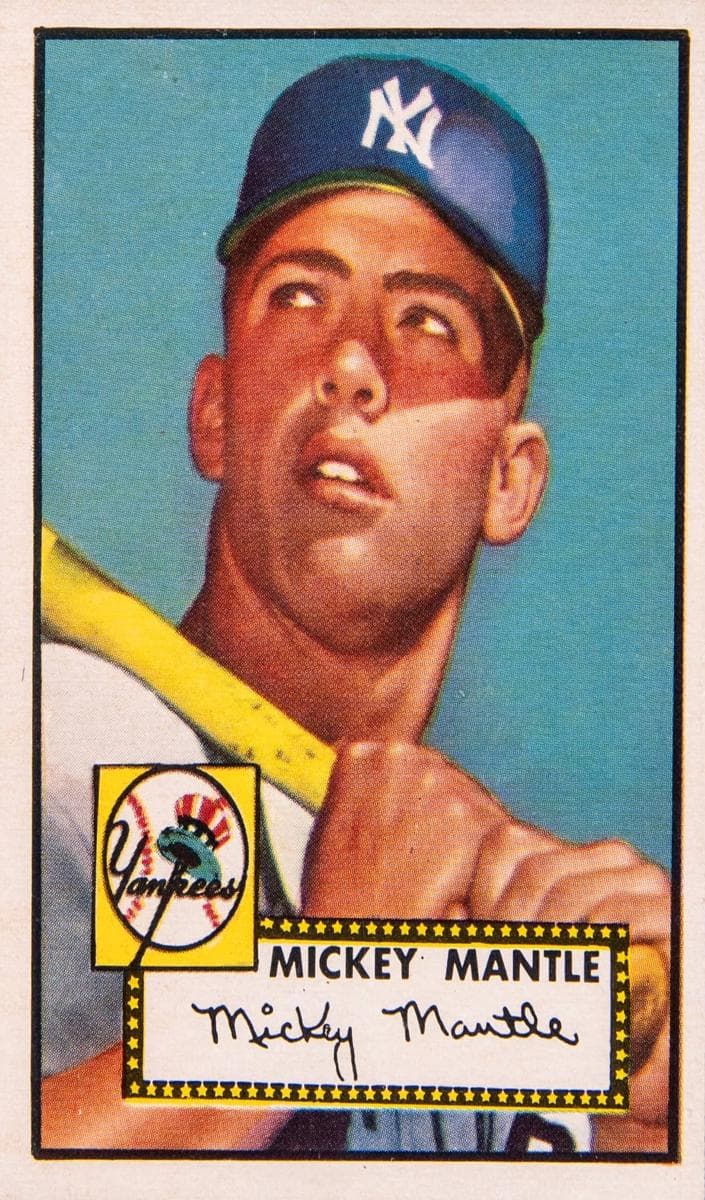
In August 2022, a single baseball card sold for $12.6 million. It is a 1952 Topps Mickey Mantle, card #311, graded SGC 9.5, and for three years it was the most anyone had ever paid for any sports card. It is still the most valuable baseball card in the world, and it sits at the head of a market that runs deeper than any other sport in the hobby.
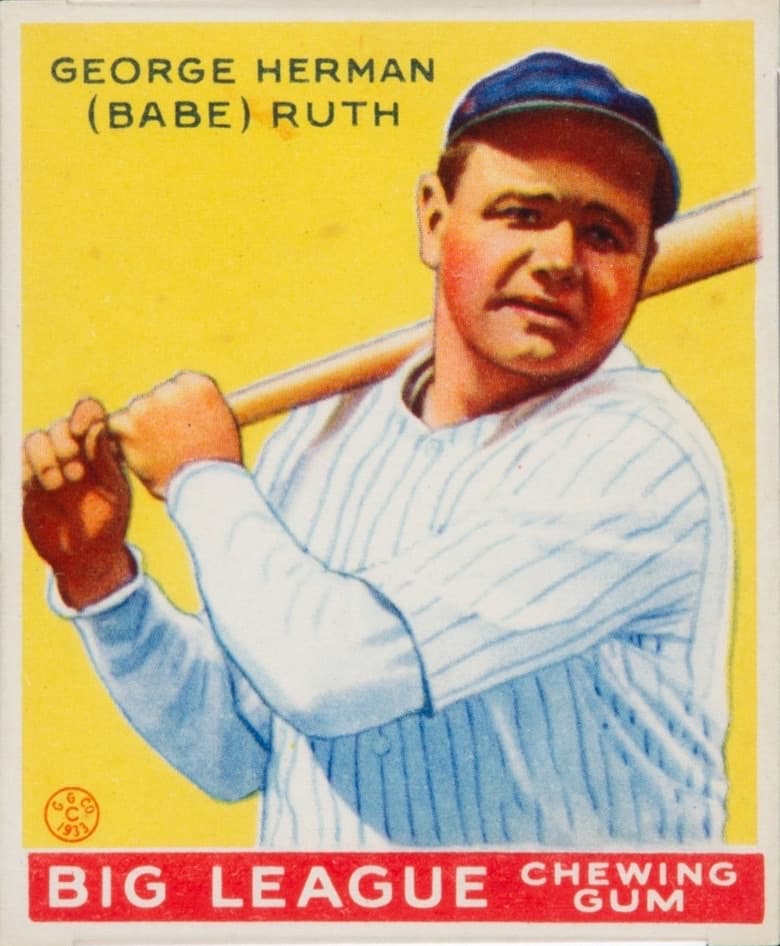
Baseball got here two ways at once. The pre-war cards are scarce because time thinned the population: a Honus Wagner or a Babe Ruth rookie survived a century that destroyed almost every copy. The modern cards are scarce because a manufacturer numbered them to one on purpose. Both command millions. This is CN’s ranking of the most valuable baseball cards ever, built only from sales we can verify: the exact card, the grade, the price, the date, and the house that sold it.
The all-time top of the market
The 1952 Topps Mickey Mantle is the definitive post-war card. It came from Topps’ first flagship set, and a famous caseload of unsold ’52 high numbers was dumped into the Hudson River, which is exactly why a pristine one is now worth eight figures. The finest known copy, an SGC 9.5, set the record at $12.6 million.
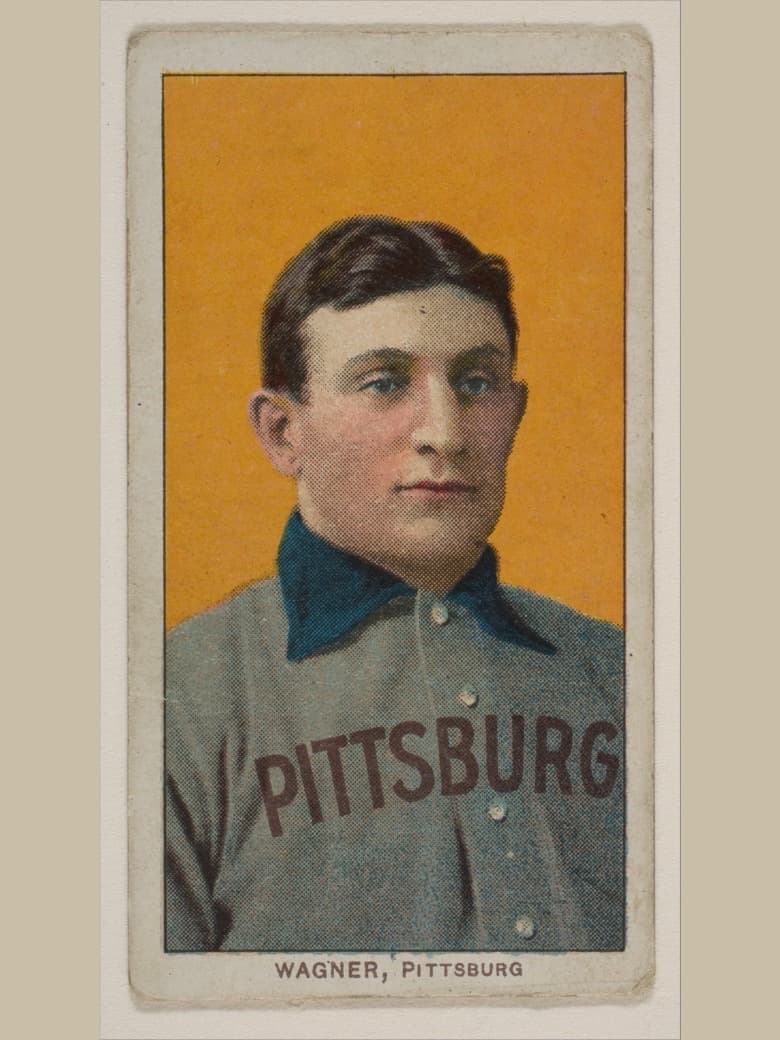
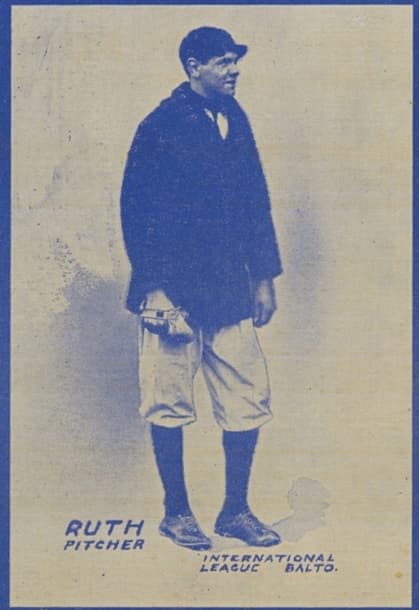
Behind it sit the two oldest names in the hobby. The 1909-11 T206 Honus Wagner is scarce because Wagner himself had the card pulled from production; even in a well-worn SGC 2 it brought $7.25 million. The 1914 Baltimore News Babe Ruth is Ruth’s first card, made when he was a nineteen-year-old pitcher for the minor-league Baltimore Orioles, one of roughly ten known, and it reached $7.2 million in an SGC 3.
Then the modern arrivals. The 2009 Bowman Chrome Mike Trout Superfractor, the one-of-one that turned a prospect’s first autographed card into the template every modern rookie chase now follows, sold for $3.94 million. And in December 2025, a 2025 Topps Chrome MVP gold logoman of Shohei Ohtani, an on-card autograph carrying a game-used gold logo patch, reached $3 million at public auction. Ohtani’s market has moved even higher in private hands since: a 2026 dual gold logoman changed hands privately for a reported $11 million, the largest figure ever attached to a baseball card outside the Mantle, though a private sale rather than an auction result.
| Card | Grade | Price | Sale date | House |
|---|---|---|---|---|
| 1952 Topps Mickey Mantle #311 | SGC 9.5 | $12.6M | Aug 2022 | Heritage |
| 1909-11 T206 Honus Wagner | SGC 2 | $7.25M | Aug 2022 | Goldin |
| 1914 Baltimore News Babe Ruth (rookie) | SGC 3 | $7.2M | Nov 2023 | Robert Edward Auctions |
| 1933 Goudey Babe Ruth #53 | PSA 9 | $4.21M | Jul 2021 | Memory Lane |
| 2009 Bowman Chrome Draft Mike Trout Superfractor Auto (1/1) | BGS 9 | $3.94M | Aug 2020 | Goldin |
| 1951 Bowman Mickey Mantle #253 (rookie) | PSA 9 | $3.19M | Dec 2022 | Memory Lane |
| 2025 Topps Chrome MVP Gold Logoman Shohei Ohtani Patch Auto (1/1) | 1/1 | $3.0M | Dec 2025 | Fanatics Collect |
| 1916 M101-4 Sporting News Babe Ruth (rookie) | PSA 7 | $2.46M | Nov 2021 | Mile High Card Company |
| 1948 Leaf Jackie Robinson (rookie, signed) | PSA 1 / auto 8 | $1.86M | Jul 2026 | Fanatics Collect |
| 2009 Bowman Chrome Draft Mike Trout Red Refractor Auto (5/5) | BGS 9.5 | $1.08M | Oct 2022 | PWCC |
| 1993 SP Derek Jeter #279 (rookie) | PSA 10 | $168K | Dec 2019 | Robert Edward Auctions |
Verified against contemporaneous reporting of each sale · Figures as of September 2026
The one name that is missing
The most famous baseball rookie of the last forty years is not on this list, and the reason is the most useful thing on the page. The 1989 Upper Deck Ken Griffey Jr., card #1, is the card that launched a company and defined a generation of collecting. A perfect PSA 10 sells for around $6,600.
That is not a knock on Griffey. It is a lesson in supply. Upper Deck printed the card in enormous quantities, and a card that survives by the hundreds of thousands cannot be scarce no matter how iconic it is. Compare it to the 1952 Mantle at the top of this page: same era-defining status, opposite population, and a price gap of four orders of magnitude. Demand alone does not make a card expensive. Demand meeting genuine scarcity does. The full Griffey story, and where the real value in his catalog actually sits, is its own page.
What actually drives these prices
Strip away the names and every card in the table is priced by the same three forces, and they are worth understanding whether your best card is worth eight figures or eighty dollars.
The first is condition at the extreme. The 1952 Mantle exists in thousands of copies; the one that sold for $12.6 million is the finest known, and the gap between it and the next grade down is measured in millions. The second is consensus on the player. The top of this market is Ruth, Mantle, Wagner, Trout and Ohtani, names the hobby has stopped arguing about. The third is scarcity that is real rather than assumed, which is exactly what the Griffey card lacks and the Trout Superfractor has: a print run of one.
Those three levers set the price of every card here, and they set the price of the card in your own collection right now.
Demand alone does not make a card expensive. Demand meeting genuine scarcity does.
Follow the hobby in the app
Track the products and players you collect and get told the moment anything moves.
Get the Collector Nation App